



Your Account

The Evolution of Smartphones: From Bricks to Beacons
Remember the days when a phone was just for making calls? It feels like a lifetime ago, doesn't it? The journey of the mobile phone, particularly the smartphone, has been nothing short of revolutionary. What started as bulky communication devices has transformed into indispensable personal assistants, entertainment hubs, and powerful computing tools. Let's take a walk down memory lane and explore how these incredible gadgets evolved.
The Early Days: More "Mobile" Than "Smart"
Before smartphones, we had mobile phones. These devices, often affectionately called "bricks," were primarily designed for voice calls. Text messaging was a groundbreaking feature, and battery life could last for days!
Key Milestones:
- Motorola DynaTAC 8000X (1983): The first commercial handheld mobile phone. It weighed over a kilogram and offered 30 minutes of talk time.
- Nokia 3310 (2000): A legendary phone known for its durability, long battery life, and the addictive game "Snake." It sold over 126 million units.
The Rise of Intelligence: When Phones Got Smart
The late 1990s and early 2000s saw the emergence of devices that tried to combine phone capabilities with PDA (Personal Digital Assistant) functions. These were the true precursors to modern smartphones.
Pioneering Devices:
- IBM Simon Personal Communicator (1994): Often considered the first smartphone, it featured a touchscreen, email, fax, and PDA functions.
- BlackBerry (Late 1990s - Early 2000s): Revolutionized mobile email and business communication with its physical QWERTY keyboard and secure messaging.
- Palm Treo (Early 2000s): Combined a phone, email, web browsing, and a full keyboard, running on Palm OS or Windows Mobile.
The Modern Smartphone Revolution: Touch and Apps
The year 2007 marked a pivotal moment with the introduction of the original iPhone. Its multi-touch interface and focus on a seamless user experience redefined what a smartphone could be. This spurred intense competition and rapid innovation.
Defining Features of Modern Smartphones:
- Touchscreen Interfaces: Capacitive touchscreens became the norm, allowing for intuitive gestures.
- App Ecosystems: The App Store and Google Play Store created vast marketplaces for applications, expanding phone functionality exponentially.
- High-Resolution Cameras: Smartphones replaced point-and-shoot cameras for many, with advanced computational photography.
- Powerful Processors: Enabling complex games, augmented reality, and seamless multitasking.
- Connectivity: 4G, 5G, Wi-Fi, Bluetooth – keeping us connected at all times.
Where Are We Now? And What's Next?
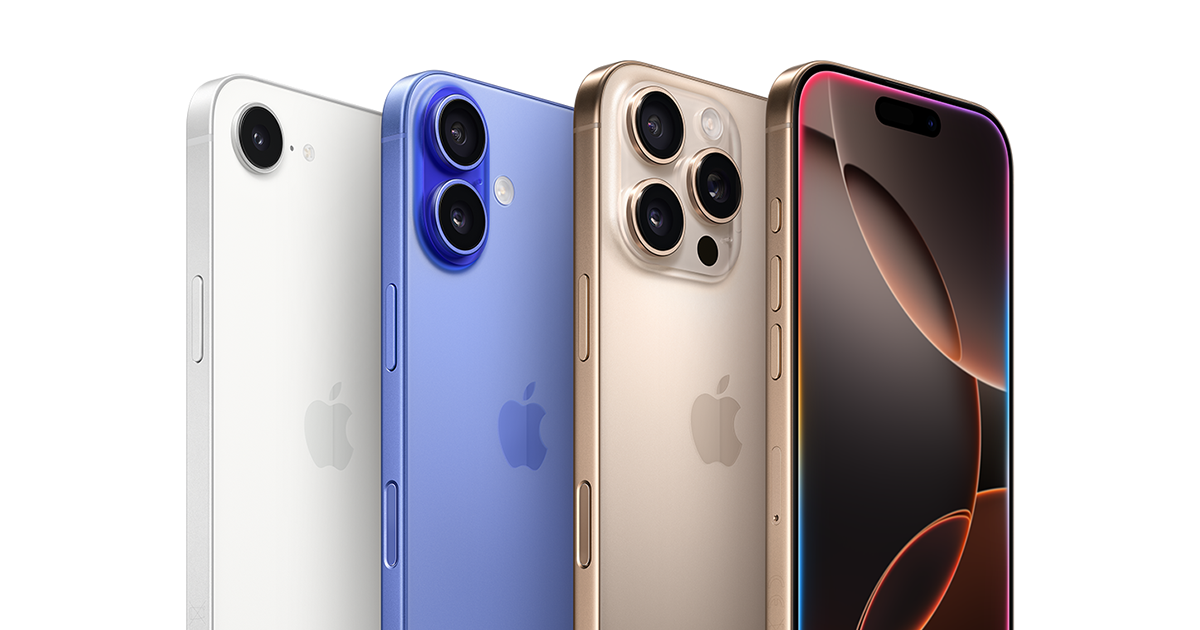
Today's smartphones are marvels of engineering, packing incredible power into slim designs. We're seeing trends like foldable screens, under-display cameras, advanced AI integration, and even more powerful mobile chipsets.
Emerging Technologies:
- Foldable Phones: Offering larger screen real estate in a compact form factor.
- Enhanced AI: For everything from photography enhancements to predictive text and voice assistants.
- Improved Battery Technology: Longer lasting batteries and faster charging.
- Sustainability: Manufacturers are increasingly focusing on recyclable materials and longer device lifespans.
Conclusion: A Constant State of Evolution
The smartphone has come a long way, and its evolution shows no signs of slowing down. From a simple communication tool to a powerful extension of ourselves, these devices continue to shape how we live, work, and interact with the world. It's exciting to imagine what innovations the next decade will bring to the palm of our hands!
Category: Phones